Before renting a dumpster, take into consideration the task's scope to figure out the ideal dumpster size, ranging from 10 to 40 lawns. Choose a rental period that fits your needs, from a couple of days to numerous weeks or months. Familiarize on your own with local regulations and limitations, consisting of forbidden products and required licenses. Comprehend the total rental cost, including dumpster size, rental period, and weight capacity, as well as additional costs like overweight or late fees. By recognizing these important aspects, you'll be well-prepared for a successful dumpster rental experience, and exploring even more will provide much more important insights to guarantee a problem-free project.
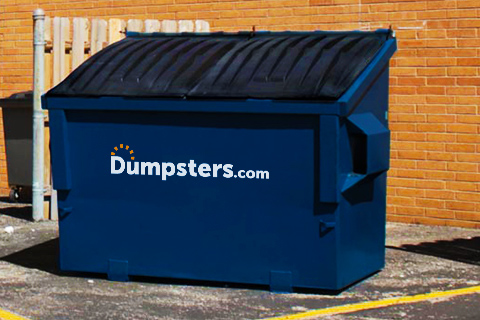
Determining the Right Dumpster Size
Common dumpster dimensions range from 10 to 40 backyards, with one of the most preferred sizes being 20 and 30 yards.
A 20-yard dumpster is suitable for tiny to medium-sized projects, such as washroom or cooking area remodels, while a 30-yard dumpster is suitable for larger tasks, like building or demolition.
Understanding Rental Duration Options
Once you've figured out the right dumpster size for your project, it's time to ponder the rental period that will certainly finest match your requirements. The rental period is a substantial element of dumpster service, as it straight influences the overall cost and efficiency of your project.
A typical rental duration can vary from a couple of days to numerous weeks or perhaps months, depending upon the extent of your project.
Short-term services are perfect for small-scale projects, such as clearing out a solitary area or doing some minor renovations.
Medium-term rentals are suitable for bigger jobs, like renovating a whole home or cleaning out an industrial property.
Long-term services are frequently required for construction projects, demolitions, or massive clean-ups that need extensive periods of waste disposal.
Some dumpster rental firms likewise https://blogfreely.net/piedmonttriaddumpsters/the-10-step-dumpster-rentals-guide supply flexible rental durations, enabling you to readjust the period of your service as needed.
Local Laws and Restrictions
Every dumpster rental project must adhere to local regulations and restrictions, which can vary considerably depending upon the location and type of project.
These policies typically determine where and exactly how dumpsters can be put, along with the types of products that can be thrown away. For example, some towns may have particular guidelines governing dumpster placement on public streets or sidewalks, while others might restrict the disposal of certain materials, such as hazardous waste or construction debris.
It's vital to study and comprehend the neighborhood laws and restrictions in your area before renting out a dumpster.
Failure to comply can cause penalties, penalties, or even project delays Be sure to get in touch with your local government or public jobs department for specific standards and allows required for your project.
Additionally, your dumpster rental provider might be able to provide support on regional laws and help you browse the process.
Permitted and Prohibited Items
When it concerns dumpster rental, recognizing what can and can not be gotten rid of is essential to avoid any type of issues or added fees.
Failure to abide by the guidelines can result in extra charges, hold-ups, or even cancellation of the rental service.
- Most dumpster rental business enable disposal of: Household junk and clutter Yard waste, such as branches and leaves Construction materials, like lumber and drywall Furniture and appliances Non-hazardous commercial waste
It's crucial to keep in mind that certain items are strictly prohibited from being gotten rid of in a dumpster, consisting of hazardous materials, electronics, batteries, tires, and chemicals.
These items call for special handling and disposal treatments to prevent environmental harm
Be sure to talk to your dumpster rental carrier for an extensive checklist of allowed and restricted products to ensure a smooth and trouble-free experience
Calculating Overall Rental Costs
Understanding the total rental costs is a vital aspect of dumpster leasing, as it assists stay clear of shock fees and ensures an affordable experience.
When calculating the total rental prices, take into consideration the dumpster size, rental duration, and weight capacity Generally, dumpster rental business charge by the dimension of the dumpster, which ranges from 10 to 40 lawns. The rental period additionally affects the cost, with longer durations resulting in higher fees. Furthermore, the weight capacity of the dumpster plays a substantial role in establishing the total expense, as overloading can lead to additional fees.
To get an exact quote, ask your rental firm concerning their pricing structure and any type of potential discounts Some business supply discounts for long-term services, while others might offer special promotions for first-time customers.
Be certain to factor in any kind of local taxes or costs that may apply to your rental. By understanding the complete rental costs, you can prepare your spending plan as necessary and avoid any unexpected expenses
Additional Charges to Expect
Beyond the initial rental costs, there are additional fees to anticipate when renting out a dumpster, which can rapidly accumulate otherwise properly accounted for.
These added charges can be unexpected, however comprehending what to expect can assist you better plan your budget
Some usual added charges to prepare for consist of:
- Overweight fees: If the dumpster surpasses the agreed-upon weight restriction, you might be billed extra per ton. Late fees: Failure to return the dumpster on time can lead to everyday or once a week penalties. Disposal fees: Some rental companies might bill added for disposing of particular products, such as hazardous waste or electronics. Delivery and pickup costs: You might be charged separately for the price of delivering and picking up the dumpster. Permit fees: Depending on your area, you might require to get licenses or licenses, which can include in your total cost.
Choosing the Right Rental Company
Selecting a reputable dumpster rental company is vital to assuring a seamless waste administration experience A reputable firm will supply you with the right-sized dumpster, provide it on schedule, and offer adaptable rental periods.
To discover the most effective fit, study neighborhood firms and check out online reviews from previous customers. Try to find companies with a solid online reputation, excellent client service, and transparent pricing Watch out for companies with concealed costs or unclear terms.
When contrasting firms, consider their dumpster sizes, rental durations, and weight limitations. Verify the firm can suit your certain needs, whether it's a small home cleanup or a big building and construction project.
Additionally, inquire about their disposal methods and whether they adhere to environmentally responsible practices By selecting a respectable business, you can rest assured that your waste will be taken care of efficiently and responsibly.
Preparing the Delivery Site
Once you've chosen a reputable dumpster rental company, it's time to prepare the delivery site to ensure a smooth and efficient drop-off process. This step is necessary to make sure that the dumpster is supplied securely and correctly, which you can start using it immediately.
To prepare the distribution site, ensure to:
- Clear the area of any challenges, such as cars and trucks, trees, or power lines, to give a clear path for the shipment truck. Verify the surface is level and firm, as dumpsters can not be positioned on irregular or soft ground. Remove any type of overhanging branches or cables that could hinder the dumpster's placement. Designate a specific area for the dumpster, remembering the size and type of dumpster you've rented. Have a clear understanding of the dumpster's dimensions and weight capacity to make sure it fits in the designated area
Ensuring Safe and Efficient Use
Proper use of a dumpster rental is essential to protect a risk-free and efficient waste monitoring process This involves adhering to the rental company's standards and taking required preventative measures to avoid mishaps and injuries.
Make sure that only authorized personnel operate the dumpster which it is put on a degree, company surface area to prevent tipping or moving. Additionally, maintain the dumpster tidy and free of debris to assist in very easy loading and unloading of waste.
It's additionally essential to adhere to the weight and size restrictions specified by the rental firm to prevent overwhelming the dumpster. Overloading can bring about security threats, damages to the dumpster, and added fees.
Moreover, segregate hazardous materials and recyclables from general waste to comply with local regulations and minimize environmental impact.