When renting a dumpster, 3 essential considerations can make all the distinction: choosing the best dumpster size, understanding debris type and disposal regulations, and guaranteeing proper placement and access logistics. Dumpster dimensions vary from 10 to 40 yards, with 20-yard dumpsters being one of the most preferred selection, while particles kinds and disposal laws vary regionally, needing special delivery for products like asphalt tiles http://piedmonttriaddumpsters-28.mozellosite.com and concrete. By carefully examining these variables, you can avoid fines, environmental damages, and logistical migraines, and uncover exactly how these factors to consider can be adeptly navigated with the best guidance and support.
Choosing the Right Dumpster Size
Every successful waste administration project begins with choosing the ideal dumpster size This essential step assurances that waste is efficiently collected and disposed of, lowering the threat of overflow and unsightly messes.
The right dumpster size also aids prevent unnecessary costs connected with constant emptying or substitute. To establish the perfect dumpster size, take into consideration the scope of your project, consisting of the quantity and kind of waste generated.
Typically, dumpster dimensions vary from 10 to 40 yards, with 20-yard dumpsters being the most preferred selection. A 10-yard dumpster appropriates for small tasks, such as shower room remodels or lawn clean-ups, while bigger dumpsters are much better fit for building and construction sites or huge business projects.
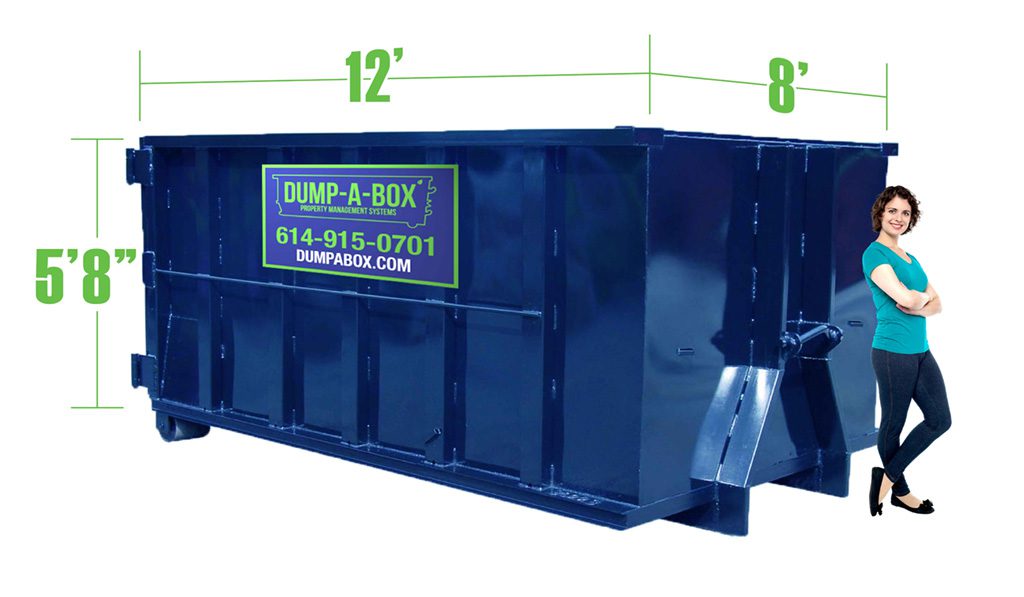
It's vital to talk to a waste monitoring expert to establish one of the most proper dumpster dimension for your specific requirements. By doing so, you can assure a seamless waste administration procedure that satisfies your job's unique requirements.
Debris Type and Disposal Regulations
Selecting the appropriate dumpster size is just half the fight; understanding the debris type and disposal regulations is crucial to ensuring an effective waste monitoring project. Different sorts of particles, such as construction materials, family waste, and hazardous materials, have specific disposal demands. Recognizing what can and can not be positioned in the dumpster is basic to preventing costly penalties and environmental damage.
Disposal policies differ by area, so it's important to acquaint yourself with local laws and guidelines. As an example, some areas have particular policies for getting rid of electronics, batteries, or fluorescent light bulbs. Additionally, some materials, such as asphalt shingles or concrete, may require special handling and disposal.
Understanding particles type and disposal policies can likewise assist you pick the right dumpster rental service. Seek providers that use specialized dumpsters for specific kinds of waste, such as construction dumpsters or recycling dumpsters
Placement and Availability Logistics
Proper positioning and accessibility of dumpsters are crucial elements of a successful waste monitoring project This consists of validating the dumpster is situated in a convenient location that allows for easy loading and unloading of particles. Additionally, the dumpster must be positioned on a flat, steady surface to prevent it from toppling or moving throughout use.
Accessibility is additionally vital, as it influences the performance of the waste administration process. The dumpster ought to be positioned in a way that allows for clear access, lessening the danger of crashes or injuries. Moreover, the dumpster should be easily available for the waste management team to accumulate and transport the debris.
It is essential to consider the size of the dumpster and the available area at the project website. The dumpster must fit conveniently in the assigned location, leaving enough space for workers to move it safely.